
 By Car instaplayzone
Alright, let’s talk shop. If you’re running a delivery business in the USA, or even just thinking about starting one, you know the van isn’t just a vehicle it’s the beating heart of your operation. It’s your mobile office, your warehouse on wheels, and frankly, it often dictates your profit margins. Choosing the best commercial vans for delivery USA isn’t about picking the flashiest model; it’s about making a strategic decision that impacts everything from your fuel bill to your driver’s daily grind.
Here’s the thing: with so many options out there, from compact cargo haulers to full-size beasts and the exciting new wave of electric delivery vans , how do you really cut through the noise? I’ve seen countless businesses make costly mistakes by focusing on the wrong metrics. So, let’s ditch the generic spec sheets for a moment and dive deep into what truly matters when you’re making this crucial investment. We’re going to walk through this together, identifying the hidden costs, the unexpected benefits, and the factors that will genuinely make or break your fleet’s efficiency. This isn’t just a list; it’s your personal guide to smart van acquisition.
Beyond Horsepower | The Real Metrics for Your Delivery Van
When you’re shopping for delivery vans , it’s easy to get caught up in engine size or maximum towing capacity. But for last-mile delivery, those aren’t always the top priorities. What truly impacts your bottom line and driver satisfaction? It boils down to a few key areas that often get overlooked.
Cargo Capacity & Configuration | More Than Just Volume
First up, cargo capacity . This isn’t just about how much stuff you can technically cram in there. It’s about how efficiently you can load and unload. Think about your typical package size, the number of stops, and the organization of your deliveries. Do you need shelving, bins, or a completely open floor plan for larger items? A van with excellent cubic feet is useless if it’s a nightmare to organize or access. Consider the interior height, the width between wheel wells, and the door openings – side and rear. Some vans offer sliding doors on both sides, which can be a game-changer for urban deliveries with tight parking spots. Don’t forget the payload capacity either; overloading a van is a quick path to increased wear and tear and potential safety hazards.
Fuel Efficiency vs. Electric | The Cost-Benefit Equation
Ah, the age-old question: gas or electric? For many years, diesel and gasoline engines were the only game in town for cargo vans . But now, with advancements in battery technology, electric vans are becoming a seriously compelling option, especially for dense urban routes and last-mile delivery . While the upfront cost for an EV might be higher, the long-term savings on fuel and potentially lower maintenance costs can be substantial. Plus, let’s not forget the environmental benefits and the positive PR that comes with a green fleet. But here’s the caveat: assess your charging infrastructure. Do you have the capability to charge a fleet overnight, or will you need public charging, which can add complexity and cost? For longer routes or areas with sparse charging, a highly fuel-efficient gasoline or diesel van might still be the more practical choice for now. It’s a nuanced decision, and what works for oneupcoming sedanmight not apply to your fleet.
Driver Comfort & Safety | Happy Drivers, Better Deliveries
Your drivers spend hours in these vehicles every single day. Their comfort and safety aren’t luxuries; they’re necessities that directly impact productivity and employee retention. Look for features like adjustable seating, good visibility, intuitive infotainment systems, and ample storage for personal items. Modern vans often come with advanced driver-assistance systems (ADAS) like blind-spot monitoring, lane-keeping assist, and automatic emergency braking. These aren’t just fancy gadgets; they’re crucial for preventing accidents, especially in congested city driving. A comfortable, safe driver is a more alert, more efficient driver, and that translates directly to fewer accidents and happier customers. This is where investing a little more upfront can really pay off in the long run.
Popular Contenders | A Quick Look at the Field
While I won’t give you a definitive “best” (because, as we’ve established, it’s all about your specific needs!), let’s briefly touch upon some of the usual suspects you’ll encounter when looking for the best commercial vans for delivery USA .
- Ford Transit: A perennial favorite, known for its versatility, wide range of configurations (including various roof heights and wheelbases), and strong dealer network. It’s a workhorse that can be tailored for almost any need, making it a popular choice for all sorts of small business delivery operations.
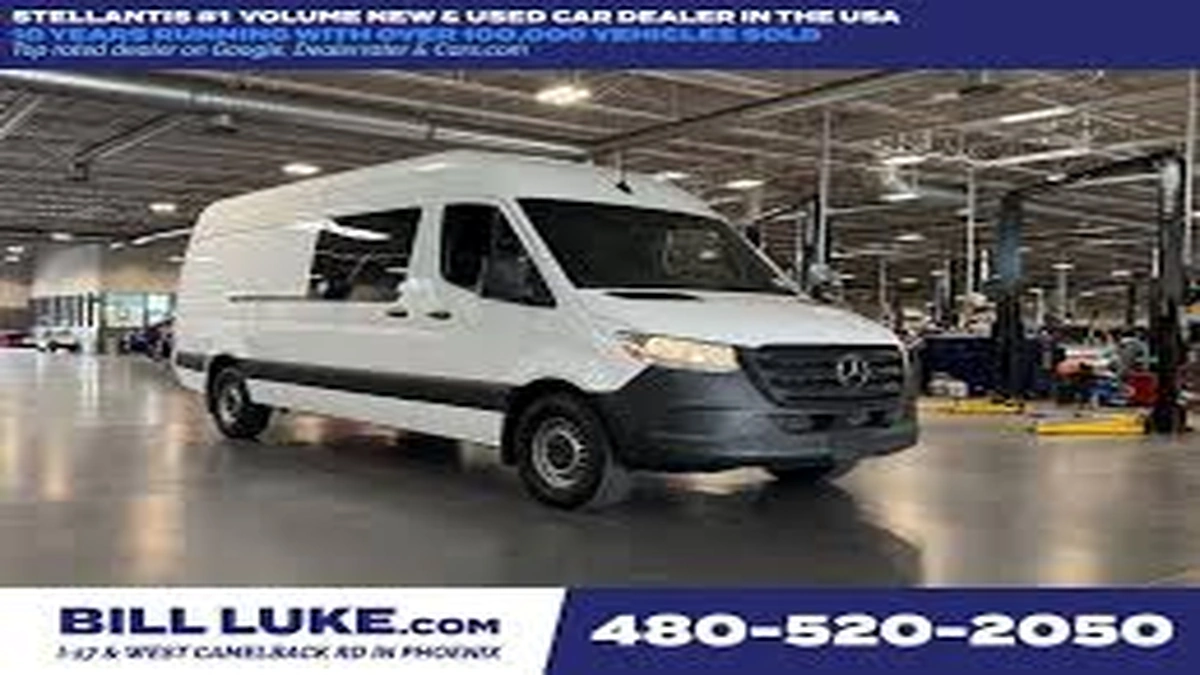
- Mercedes-Benz Sprinter: Often considered the premium option, the Sprinter offers excellent driver comfort, robust build quality, and impressive cargo capacity. It comes with a higher price tag but often justifies it with longevity and a refined driving experience.
- Ram ProMaster: Valued for its front-wheel-drive configuration, which allows for a lower load floor and easier access, especially for tight urban spaces. It’s a solid, no-frills option that focuses on utility and practicality.
- Chevrolet Express / GMC Savana: These are the traditional, body-on-frame American work vans. They’re rugged, dependable, and often more affordable, though they may lack some of the modern amenities and fuel efficiency of their European counterparts.
- Ford E-Transit: The all-electric version of the popular Transit, offering a significant step into the future of delivery. It’s designed for urban routes and businesses looking to reduce their carbon footprint and operating costs.
The “How To” of Customization | Upfitting Your Van for Maximum ROI
Choosing the base van is just the beginning. The real magic happens with upfitting . This is where you transform a generic cargo space into a highly specialized, efficient delivery machine. Think about your workflow. Do you need custom shelving for small packages, secure compartments for valuable items, or a refrigerated unit for perishables? The right upfit can dramatically improve load times, prevent damage to goods, and make your driver’s job infinitely easier.
I’ve seen businesses neglect this step, thinking a few bungee cords and plastic bins will do the trick. Trust me, that’s a recipe for disaster. Investing in proper organization and safety features like bulkhead partitions not only protects your cargo but also your driver. Many manufacturers and third-party companies offer comprehensive upfitting solutions, from simple ladder racks to complex interior build-outs. Don’t skimp here; it’s an investment in efficiency and longevity. It’s like choosing the righthatchback carfor specific city driving – the base model is good, but the right features make it great.
Maintenance & Reliability | Keeping Your Wheels Turning
A van that’s constantly in the shop isn’t just an inconvenience; it’s a massive drain on your resources. This is why maintenance costs and overall reliability are paramount. Research the average service intervals, the cost of common replacement parts, and the availability of qualified mechanics for the models you’re considering. Some brands might have a higher purchase price but boast lower long-term operating costs due to their robust engineering and readily available parts. Others might be cheaper upfront but nickel-and-dime you with frequent, expensive repairs.
Consider the warranty offered and what it covers. A comprehensive warranty can provide peace of mind, especially for new fleet acquisitions. And don’t forget about telematics systems. These can monitor vehicle health, driver behavior, and even optimize routes, all contributing to reducing wear and tear and improving overall fleet management. It’s about being proactive, not reactive, when it comes to keeping your delivery operations smooth.
FAQs | Your Burning Questions Answered
Frequently Asked Questions About Commercial Delivery Vans
What is the most fuel-efficient commercial van for delivery?
While conventional gasoline and diesel vans like the Ford Transit Connect or Ram ProMaster City offer good mileage for their class, the most fuel-efficient options are increasingly electric vans such as the Ford E-Transit or Rivian EDV. Their “fuel” cost can be significantly lower, especially with access to cheap electricity or solar charging.
How much cargo capacity do I really need?
It depends entirely on your specific business. Start by measuring your largest and most common packages, then consider your typical daily volume. Don’t just look at cubic feet; also factor in payload weight, interior height for standing, and the ease of loading/unloading through doors. Overestimating slightly is better than underestimating, as it allows for growth.
Are electric delivery vans worth the higher upfront cost?
For many businesses, yes, especially for urban and last-mile delivery . The higher initial investment is often offset by significantly lower operating costs (fuel/electricity), reduced maintenance costs (fewer moving parts), and potential tax incentives. However, ensure your charging infrastructure can support an EV fleet before committing.
What are “upfitting options” and why are they important?
Upfitting refers to customizing the interior and exterior of your van with shelving, partitions, ladder racks, refrigeration units, and other specialized equipment. It’s crucial because it transforms a basic cargo space into an efficient, organized, and safe workspace tailored to your specific delivery needs, improving productivity and protecting goods.
How do I balance driver comfort with budget constraints?
It’s a delicate balance, but don’t compromise too much on driver comfort . Features like ergonomic seating, good climate control, and modern safety tech (ADAS) lead to happier, more productive drivers and reduce fatigue-related accidents. Start by prioritizing essential comfort and safety features, then add more amenities as your budget allows. Think of it as an investment in your workforce.
The Road Ahead | Making Your Informed Decision
Choosing the best commercial vans for delivery USA is a complex puzzle, but hopefully, we’ve pieced together some clarity today. It’s not about finding a one-size-fits-all solution; it’s about deeply understanding your own operational needs, your routes, your cargo, and most importantly your drivers. Take the time to analyze your current workflow, project your future growth, and don’t be afraid to test-drive a few different models. Talk to other delivery professionals, read independent reviews (like those you might find onEdmunds, for example), and consider the total cost of ownership, not just the sticker price. This isn’t just buying a vehicle; it’s investing in the future of your business. Make it count.